How to Choose a Research Peptide Supplier in 2026
The research peptide market varies enormously in quality, transparency, and reliability. This guide gives researchers a practical framework for evaluating any peptide supplier — what documentation to demand, what quality signals matter, and the red flags that distinguish premium suppliers from the rest.
Choosing a research peptide supplier is one of the most consequential decisions a researcher makes — the quality, purity, and identity verification of the compounds you source directly determines the validity of any research conducted with them. The market spans a wide spectrum from rigorous, transparent suppliers with full third-party verification to operations with minimal quality control and unverifiable claims. This guide provides a practical framework for evaluating any supplier against objective criteria.
The Five Criteria That Actually Matter
1. Independent Third-Party Testing
The single most important criterion is independent third-party laboratory verification. A supplier should provide Certificates of Analysis (COAs) from laboratories that are independent of the supplier — not in-house testing that is far easier to manipulate. A legitimate COA includes the testing laboratory's name and contact information, the specific batch number, HPLC chromatogram data showing the actual purity trace (not just a stated percentage), and mass spectrometry confirmation of molecular identity.
The critical distinction: a stated purity percentage means nothing without the underlying chromatogram. Premium suppliers provide the full analytical data; lower-tier suppliers provide a number with no supporting documentation. When evaluating any supplier, ask specifically for the HPLC chromatogram and mass spec data for the batch you would receive.
2. Batch-Specific Documentation
Quality suppliers provide batch-specific COAs — documentation tied to the exact production lot you receive. A red flag is a single COA reused across all products or all batches, which provides no actual verification of the specific material being sold. Batch traceability — the ability to connect the vial in your hand to the specific production lot and its testing data — is a hallmark of serious quality control.
3. Domestic Synthesis and Shipping
Domestic synthesis offers several research-relevant advantages: avoidance of customs inspection delays, elimination of extended international transit that can compromise temperature-sensitive compounds, and subjection to domestic quality and regulatory standards. Suppliers should be transparent about where their compounds are synthesized. A supplier that hedges or deflects when asked directly about synthesis location is signaling something worth noting.
4. Purity Standards
Research-grade peptides should meet high purity standards — typically ≥98% or ≥99% for most research compounds, verified by HPLC. Purity matters enormously for research validity: impurities can confound experimental results, introduce unexpected biological activity, and compromise reproducibility. The purity claim must be backed by the chromatogram showing the actual peak purity, not merely asserted.
5. Transparency and Reputation
Transparent suppliers make their quality documentation accessible, clearly state their terms, provide responsive customer support, and maintain a verifiable reputation. Established suppliers with consistent positive reputations across independent review platforms provide more confidence than anonymous operations with no verifiable track record. Look for suppliers who stand behind their products with clear policies and accessible documentation.
Red Flags to Avoid
- Red Flag: Purity claims without chromatogram data — What It Suggests: Unverifiable quality — the number may not reflect reality
- Red Flag: COAs with no laboratory name or contact — What It Suggests: Possibly in-house or fabricated documentation
- Red Flag: Same COA across multiple batches — What It Suggests: No actual batch-specific verification
- Red Flag: Prices far below market — What It Suggests: Quality, purity, or authenticity likely compromised
- Red Flag: Vague answers about synthesis location — What It Suggests: Possible undisclosed overseas sourcing
- Red Flag: No accessible terms or policies — What It Suggests: Limited accountability and recourse
- Red Flag: No verifiable reputation or reviews — What It Suggests: Unestablished or problematic track record
How Ares Research Approaches These Standards
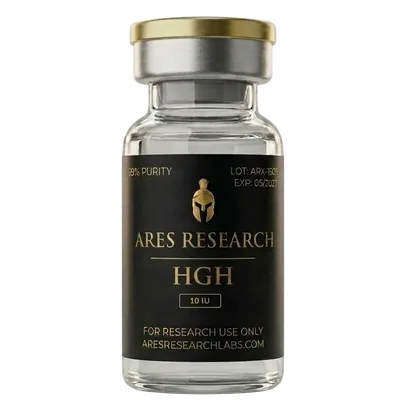
Ares Research was built around the verification standards outlined above. Every compound is independently third-party tested using HPLC and mass spectrometry, with batch-specific Certificates of Analysis available for verification. All compounds are synthesized domestically within the United States and shipped domestically. The catalog spans growth hormone peptides, metabolic compounds, recovery peptides, nootropics, and wellness compounds — all held to the same documentation and purity standards. This approach reflects our view that quality verification should be the foundation of a research supplier, not an afterthought.
See Our Verification Standards COA-verified, USA-synthesized, batch-traceable research compounds. For laboratory and research use only. View Catalog Why Ares Research
Research Use Only. Research Use DisclaimerAll compounds are intended strictly for laboratory and research use only. Not for human consumption. This guide is informational and does not constitute an endorsement or criticism of any specific named company. For research use only per Ares Research terms.
Running the numbers for a protocol? Use the research calculators to convert mg, mL, and syringe units.
Related Research Articles
Peptide Supplier Comparison Hub — Ares Research vs Competitors (2026)
Documentation-first comparison of Ares Research Lab against the most-searched peptide suppliers. COA transparency, US shipping, and sourcing standards, side by side.
How to Choose a Supplement Marketing Agency
A practical guide to choosing a supplement, wellness, or peptide marketing agency without relying on vague promises, invented proof, or borrowed case studies.
What Makes a Research Peptide Supplier "Community
Research peptide communities have developed informal but consistent standards for what counts as a trustworthy supplier. Here's what those standards actually are — and how to verify them yourself rather than taking any single recommendation at face value.
Best Research Peptide Supplier USA 2026
The "best supplier" question deserves an honest answer rather than a list of unverifiable marketing claims. Here are the five criteria that separate the top domestic research peptide suppliers from the rest — and how Ares Research performs against each one.
The Research Peptide Supplier Checklist (2026)
A 10-point buyer-side scorecard for evaluating any research peptide vendor consistently, from named labs to support responsiveness.
Neutral, moderated research discussion. Laboratory use only.
More compound guides, hubs, and educational research materials.