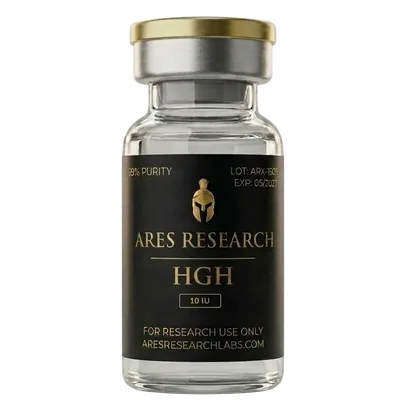
Peptide Reconstitution 101
A complete step-by-step guide to reconstituting lyophilized research peptides. Covers bacteriostatic water vs sterile water, reconstitution math, injection technique, storage after reconstitution, and common mistakes to avoid.
Peptide Reconstitution 101
A step-by-step practical guide to reconstituting lyophilized research peptides — covering solvent selection, dosing mathematics, technique, storage windows, and the most common preparation errors encountered in laboratory settings. May 2, 2026Lab Guide10 min read
Why Peptides Are Supplied Lyophilized
Research peptides are supplied as lyophilized (freeze-dried) powders rather than pre-made solutions for two primary reasons: stability and sterility. In aqueous solution, peptides are susceptible to hydrolysis, oxidation, aggregation, and microbial degradation — processes that are dramatically slowed or halted in the dry state. A properly lyophilized peptide stored at −20°C with adequate desiccation can retain full potency for 12–36 months depending on the compound. The same peptide in solution may degrade meaningfully within days at room temperature or within weeks even under refrigeration.
Reconstitution — the process of dissolving the lyophilized powder in an appropriate solvent — is therefore the critical preparation step before any research use. Done correctly, it yields a sterile, stable working solution. Done incorrectly, it can denature the peptide, introduce contamination, or produce inaccurate concentrations that invalidate experimental results.
Solvent Selection
The choice of reconstitution solvent depends on the specific peptide and its intended use. The three most common solvents are:
SolventBest Used ForKey PropertyShelf Life After Reconstitution Bacteriostatic Water (0.9% benzyl alcohol)Most peptides for multi-use vialsBenzyl alcohol inhibits bacterial growth; extends usable window4–6 weeks (refrigerated) Sterile Water for InjectionSingle-use or benzyl alcohol–sensitive peptidesNo preservative; maximally pure; shorter usable window24–72 hours (refrigerated) 0.1–1% Acetic Acid (in sterile water)IGF-1, IGF-1 LR3, some growth factorsAcidic pH prevents aggregation of basic peptides2–4 weeks (refrigerated) 0.1% BSA in sterile PBSCell culture; very low-concentration solutionsBSA prevents peptide adsorption to container surfaces at low concentrations1–2 weeks (refrigerated)
For the majority of research peptides (GHRPs, GHRH analogues, healing peptides, nootropic peptides), bacteriostatic water is the standard choice. It is compatible with subcutaneous and intramuscular injection in research contexts, provides a 4–6 week working window from a single reconstitution, and is widely available.
Important
Never reconstitute peptides in tap water, distilled water from a non-sterile source, or any solution that has not been confirmed sterile. Microbial contamination introduced during reconstitution cannot be removed from the solution without sterile filtration equipment. When in doubt, use bacteriostatic water from a sealed, single-use vial.
Reconstitution Mathematics
Accurate concentration calculation is essential for reproducible research. The fundamental relationship is:
Core Formula Concentration (µg/mL) = Peptide mass (µg) ÷ Volume of solvent added (mL) Example 1 — Standard 5 mg vial: Peptide: 5 mg = 5,000 µg · Solvent added: 2 mL bacteriostatic water Concentration = 5,000 ÷ 2 = 2,500 µg/mL (2.5 mg/mL) Example 2 — Finding volume for a target concentration: Peptide: 2 mg = 2,000 µg · Target concentration: 1,000 µg/mL Solvent volume = 2,000 ÷ 1,000 = 2.0 mL to add Example 3 — Drawing a 250 µg dose from a 2,500 µg/mL solution: Volume = Desired dose ÷ Concentration = 250 ÷ 2,500 = 0.10 mL = 10 units on a U-100 insulin syringe
Step-by-Step Reconstitution Protocol
1
Gather Materials
Research peptide vial (lyophilized), bacteriostatic water (or appropriate solvent), 1–3 mL syringe with needle (18–23G for drawing, 27–29G for injection), alcohol swabs. Ensure all materials are within expiry and packaging is intact.
2
Wipe All Septums
Swab the rubber septum of both the peptide vial and the bacteriostatic water vial with a fresh alcohol swab. Allow to air-dry for 10–15 seconds before inserting any needle. This is the primary contamination prevention step and should not be skipped.
3
Draw Calculated Solvent Volume
Using your syringe, draw the pre-calculated volume of bacteriostatic water from its vial. Avoid creating excessive bubbles. If bubbles are present, gently tap the syringe and push them out before proceeding.
4
Inject Solvent Into Peptide Vial — Slowly and Against the Glass
This is the most critical technique step. Insert the needle into the peptide vial and direct the solvent stream against the inner glass wall rather than directly onto the lyophilized powder. Allow the solvent to run down the glass slowly. Never forcefully inject directly onto the lyophilized cake — this denatures fragile peptides through turbulent mechanical force.
5
Gentle Dissolution — Roll, Don't Vortex
After adding solvent, gently roll the vial between your palms in a slow circular motion until the powder is fully dissolved and the solution is clear. This typically takes 15–60 seconds. Do not shake or vortex — mechanical agitation causes peptide aggregation and foaming, reducing potency. If the solution appears cloudy or contains particulate after gentle rolling, allow it to sit for 5 minutes and re-roll before using.
6
Label and Date the Vial
Immediately label the reconstituted vial with: peptide name, concentration (µg/mL or mg/mL), reconstitution date, and expiry date (reconstitution date + 4 weeks for bacteriostatic water). Store promptly at 2–8°C (refrigerator). Do not freeze reconstituted peptide solutions unless the specific compound's stability data supports it — freezing and thawing aqueous peptide solutions typically causes aggregation.
Syringe Selection for Research Use
For subcutaneous administration in research models, insulin syringes (U-100, 0.3–1 mL, 27–31G needle) are standard. U-100 syringes divide 1 mL into 100 units, where 1 unit = 0.01 mL. This fine graduation makes them well-suited for the small-volume, precise doses typical of peptide research. For intramuscular injection in large animal models, 23–25G, 1–1.5 inch needles on 1–3 mL syringes are appropriate. Always use a fresh syringe for each administration to maintain sterility.
Common Mistakes to Avoid
Shaking the vial — causes denaturation and foaming. Always roll gently. | Adding solvent too quickly — creates turbulence that damages the peptide. Inject slowly against the glass wall. | Using non-sterile water — introduces contamination that cannot be reversed without specialized filtration equipment. | Freezing reconstituted solutions — unless specifically confirmed stable, freeze-thaw cycles cause peptide aggregation and loss of potency. | Not labeling reconstituted vials — storage mix-ups are a common source of experimental error in multi-peptide research settings.
Aliquoting for Multi-Week Protocols
For research protocols lasting more than 4 weeks, or when working with peptides that are particularly stability-sensitive, aliquoting the reconstituted solution into individual single-use volumes (drawn into separate sterile syringes or small vials) and storing them at −20°C is an acceptable strategy for some compounds — provided the specific peptide's freeze-thaw stability has been confirmed. Each aliquot is thawed once and used immediately. This approach prevents repeated needle punctures of the primary vial (each puncture is a contamination risk) and prevents the chemical degradation that accumulates in repeatedly accessed solutions.
[Research Use Only](/standards/research-use-compliance) — Disclaimer This guide is prepared for laboratory and research reference purposes only. All information pertains to in vitro and preclinical research contexts. This content does not constitute medical advice, clinical guidance, or instructions for human self-administration. Researchers must comply with all applicable institutional and jurisdictional regulations. Proper training in aseptic technique and laboratory safety is assumed.
Related Research Articles
Hexarelin Reconstitution & Storage — Research Guide (2026)
Hexarelin reconstitution and storage guide: vial sizes, diluent volumes, U-100 syringe math, and stability windows for laboratory research.
GHRP-6 Reconstitution & Storage — Research Guide (2026)
GHRP-6 reconstitution and storage guide: vial sizes, diluent volumes, U-100 syringe math, and stability windows for laboratory research.
Parent Research Hubs
Neutral, moderated research discussion. Laboratory use only.
More compound guides, hubs, and educational research materials.