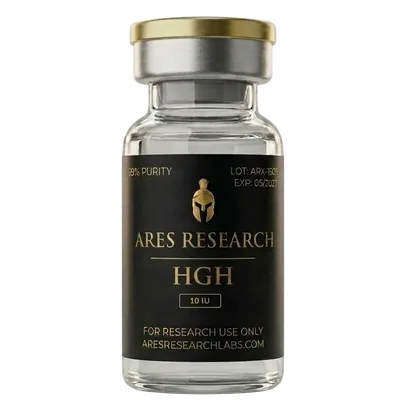
Cold-Chain Shipping for Research Peptides
A data-driven guide to cold-chain shipping for lyophilized research peptides — what temperature excursions actually do to peptide stability, when cold chain is necessary vs optional, and how to evaluate receipt of shipped peptides.
Storage & Handling
Cold-Chain Shipping for Research Peptides: What Actually Matters
Most lyophilized research peptides tolerate ambient temperature transit better than commonly assumed. Here is what the stability data actually shows about temperature excursions during shipping — and when cold chain packaging is genuinely necessary versus precautionary. April 29, 2026Lab Guide10 min read
The Core Question: Do Lyophilized Peptides Need Cold Shipping?
This is one of the most frequently misunderstood topics in research peptide handling. The short answer: for the majority of lyophilized research peptides shipped over standard domestic timelines (1–5 days), ambient temperature transit poses minimal stability risk — provided the peptide is properly lyophilized, sealed against moisture, and not exposed to temperatures above approximately 40°C for extended periods.
The longer answer requires understanding why lyophilization confers such remarkable stability, what conditions can overcome that stability, and which specific compounds warrant genuine cold-chain caution. Both excessive cold-chain paranoia (which adds cost and logistical complexity unnecessarily) and genuine cold-chain negligence (which can damage truly temperature-sensitive material) are problems in the research community. The evidence-based middle position is nuanced by compound class.
Why Lyophilized Peptides Are Inherently Shipping-Stable
Lyophilization removes greater than 95% of residual moisture from a peptide preparation. At this level of desiccation, the primary degradation pathway — hydrolysis of peptide bonds — is essentially halted. Oxidation of susceptible residues (methionine, cysteine, tryptophan) is dramatically slowed without water as a reaction medium. Even thermal energy at ambient temperatures is insufficient to drive significant peptide bond hydrolysis in the absence of water.
The Arrhenius rate constant for peptide hydrolysis at room temperature (25°C) in the dry state is orders of magnitude lower than in aqueous solution at the same temperature. This is why properly lyophilized peptides stored at −20°C have stability windows measured in years, while the same peptide in reconstituted solution degrades in weeks.
Pharmaceutical industry accelerated stability testing (ICH Q1A guidelines) uses 40°C/75% relative humidity as the "accelerated" stress condition for drug products. Lyophilized peptides regularly pass 6-month stability at these conditions with less than 5% potency loss — a far more rigorous thermal challenge than any ambient shipping scenario.
Temperature Excursion Risk by Compound Class
Compound / ClassShipping RiskThreshold of ConcernRecommendation GHRPs (GHRP-2, GHRP-6, Ipamorelin, Hexarelin) Low >40°C for >72 hours Ambient shipping acceptable for domestic delivery GHRH Analogues (Mod GRF 1-29, Sermorelin, CJC-1295) Low >40°C for >48 hours Ambient shipping acceptable; cold pack optional for summer heat BPC-157 Low >40°C for >72 hours Ambient shipping acceptable; notably stable compound Semax / Selank Low–Mod >35°C for >48 hours Cold pack advisable in summer months or warm climates IGF-1 / IGF-1 LR3 Moderate >30°C for >24 hours Cold pack recommended; expedited shipping preferred Native GH / Recombinant Growth Factors Higher >25°C for >24 hours (in solution); lyophilized more tolerant Cold chain recommended; refrigerant packs + insulated packaging Cysteine-Containing Peptides Moderate >35°C; humidity exposure Cold pack + desiccant; minimise transit time Tesamorelin Low >40°C for >48 hours Ambient acceptable; clinical grade Egrifta is refrigerated but lyophilised form more tolerant
The Moisture Variable: More Important Than Temperature for Most Peptides
For lyophilized peptides, moisture exposure during shipping is typically a greater stability risk than temperature. A sealed vial with an intact rubber septum provides excellent protection, but if vials have loose caps, cracked septa, or are stored alongside damp packing materials, moisture ingress can begin during transit. High-humidity environments (tropical shipping routes, coastal summer conditions) compound this risk.
Best-practice shipping includes: peptide vials inside a sealed zip-lock bag with a fresh desiccant packet, inside insulated packaging. This moisture barrier provides the most meaningful protection for most research peptides — and it is low-cost.
The Condensation Problem
When cold-packed peptides are removed from refrigerant packaging and opened immediately in a warm, humid environment, condensation can form directly on the cold powder if the vial is opened prematurely. Allow received cold-packed vials to equilibrate to room temperature (5–15 minutes, unopened) before opening. This step is more important for product integrity than the cold chain itself in many cases.
Evaluating Peptide Condition on Receipt
Signs of Intact Quality
White or off-white lyophilized powder, free-flowing or lightly caked. Vial septum intact, no visible moisture or condensation inside vial. Amber glass undamaged. Desiccant (if included) still active. No unusual odour on opening.
Signs of Potential Compromise
Yellowing or browning of powder (oxidation). Liquefied or partially dissolved powder without deliberate reconstitution (moisture exposure). Cracked or loose septum. Visible condensation inside vial. Unusual chemical odour. Powder coating walls of vial irregularly.
Acceptable Shipping Variations
Slight clumping or caking of powder (hygroscopic response to trace moisture; typically dissolves normally on reconstitution). Powder displaced from bottom to sides of vial during transit. Slight colour variation from batch photos (photographic conditions vary).
When to Contact Supplier
Visible moisture inside sealed vial. Obvious discolouration or odour change. Septum damage. Powder appears partially dissolved or absent. Package shows evidence of extreme heat exposure (melted packaging materials).
International Shipping Considerations
International transit introduces additional variables: longer transit times (7–21 days vs. 1–5 days domestic), customs holding periods during which temperature control is uncertain, higher likelihood of extreme temperature exposure in cargo holds or customs warehouses in tropical or desert climates, and reduced traceability for temperature excursions. For these reasons, cold-chain packaging is more advisable for international shipments even for compounds that tolerate domestic ambient transit well.
Dry ice is effective for maintaining sub-zero temperatures during extended international transit but introduces its own risks: dry ice sublimation can cause CO₂ buildup in enclosed spaces, and some carriers have restrictions on dry ice quantities. Gel pack systems (phase-change materials rated for 2–8°C or −20°C) are generally more practical and logistically straightforward for research peptide international shipping.
The Bottom Line: A Practical Framework
For domestic shipments of 1–5 business days: lyophilized GHRPs, GHRH analogues, BPC-157, GHK-Cu, SS-31, Semax, and Selank do not require cold-chain shipping to maintain research-grade quality. A desiccant packet inside a sealed bag provides the most meaningful protection. For IGF-1 variants, recombinant growth factors, cysteine-rich peptides, or any shipment where transit times exceed 5 days or summer temperatures above 35°C are anticipated: cold packs plus insulated packaging are warranted. For all international shipments: cold-chain packaging should be standard practice regardless of compound class.
Research Use Only — Disclaimer This guide is prepared for laboratory and research reference purposes only. Stability data cited represents general principles from peptide chemistry literature and pharmaceutical industry standards. Individual compounds may behave differently. This content does not constitute medical advice. Researchers must comply with all applicable institutional and regulatory requirements.
Related Research Articles
How to Organize Your Lab Compound Inventory System
Discover how to effectively organize your laboratory compound inventory system. Improve efficiency, reduce waste, and ensure compliance with top tools!
The Role of Desiccants in Laboratory Storage
Discover the crucial role of desiccants in laboratory storage. Learn how they protect samples and ensure analytical accuracy. Click to find out more!
Aliquoting Best Practices for Laboratory Professionals
Discover what is aliquoting best practice laboratory and learn essential techniques to ensure sample integrity and reliable results.
Storage & Handling Best Practices
How to properly store lyophilized and reconstituted research peptides. Covers temperature requirements, light and moisture protection, freeze-thaw cycles, peptide-specific exceptions, and refrigerator vs freezer guidelines for research settings.
Parent Research Hubs
Neutral, moderated research discussion. Laboratory use only.
More compound guides, hubs, and educational research materials.