Affiliate Program Tier Design for Peptide Companies 2026
A flat affiliate program with one commission rate has no retention mechanism — a top performer who generates significant revenue has no reason to stay over a competitor offering 1% more. Tier design is what creates the loyalty structure that makes your affiliate program sticky.
The difference between a peptide affiliate program that generates meaningful revenue and one that accumulates signups with no active promoters almost always comes down to tier design. Flat programs fail because they offer no progression path; tiered programs succeed when the tier design creates genuine incentive to perform and stay.
The Core Tier Design Principle
Every tier above the entry level should offer something the affiliate would materially lose by leaving — a higher commission rate, an exclusive discount code, or a benefit (early product access, co-branded content) not available at lower tiers. The moment the top tier offers something an affiliate can't replicate elsewhere, you have a retention mechanism that makes switching costly.
Commission Rate Structure
Entry tier at 15% covers the baseline recruitment pool. Mid tiers at 20-25% for affiliates who've demonstrated consistent promotion activity. Top tiers at 25-30% for high performers. The top tier rate needs to exceed what most competitors offer their own top tier — if a competitor caps at 25%, your 30% top tier pulls their best performers. The financial math works because high-performing affiliates generate enough volume that the additional 5% is covered many times over by the revenue they produce.
Non-Commission Tier Benefits
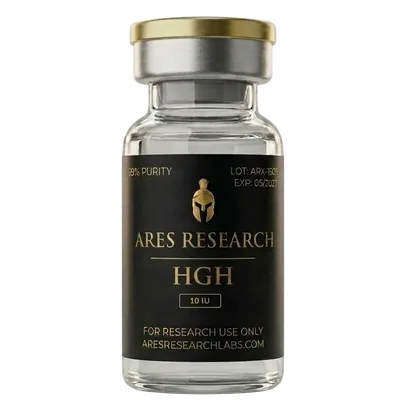
Commission rate alone creates loyalty to the rate, not the brand. Non-commission tier benefits create brand loyalty: exclusive tier-specific discount codes that affiliates can offer their audience (creating audience value they lose if they leave), early product access for new compound launches, co-branded research content, and dedicated affiliate support at the top tiers. The Ares Research Bronze → Silver → Gold → Spartan → Olympus structure is built on exactly this logic — each tier adds both financial and non-financial benefits that accumulate value the affiliate would sacrifice by switching.
Running the numbers for a protocol? Use the research calculators to convert mg, mL, and syringe units.
Related Guides
Brand Positioning for Supplement and Wellness Companies
How supplement, wellness, and research-compound brands define a defensible position built on standards, sourcing, documentation, and service reliability.
Trust Signals That Convert Supplement and Wellness Buyers
Which trust signals actually influence supplement, wellness, and research-compound buyers, where to place them, and why borrowed or invented proof backfires.
A Growth Operating Cadence for Supplement Brands
How supplement, wellness, and peptide brands run paid media, search, content, and conversion work on one weekly and quarterly operating rhythm.
Marketing Measurement and Attribution for Supplement Brands
A practical measurement plan for supplement, wellness, and peptide brands: which numbers to trust, which to treat as diagnostics, and which to ignore.
Supplement SEO: Building Search Growth for Wellness Brands
How supplement, wellness, and research-compound brands build technical foundations, search architecture, content clusters, and internal links that earn durable visibility.
A Full-Stack Growth System for Supplement Brands
Why paid media, SEO, landing pages, and reporting work better under one coordinated growth system for supplement, wellness, and peptide companies.