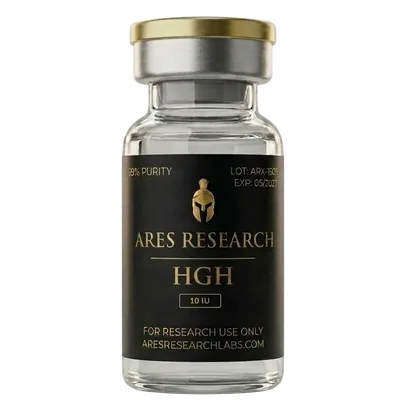
Compliant Peptide Product Descriptions 2026
Research-use-only framing is a legal requirement, not a marketing suggestion — but many operators write compliant copy that's so hedged it fails to communicate why the compound is worth researching. Here's how to stay compliant without sacrificing the information that converts informed researchers.
Research-use framing is the legal foundation that separates a compliant research peptide business from one that has inadvertently crossed into drug marketing. But compliance and conversion aren't in opposition — the operators who do this well stay clearly within the research framing while still communicating the specific, verifiable research findings that make a compound worth studying.
The Language Line That Matters
The line that matters is between describing what research shows and making therapeutic claims. "Research documents BPC-157's effects on angiogenesis and VEGF expression in tendon healing models" is a factual research description. "BPC-157 heals tendons faster" is a therapeutic claim. The first is compliant and informative; the second collapses the research-use framing that protects the entire business model.
What Compliant Copy Can Say
Mechanism descriptions — how the compound interacts with receptors and what signaling cascades it activates. Published research findings — what animal model and in vitro studies document. Comparison to related compounds through the lens of mechanism differences. What the research category a compound belongs to. All of this communicates value to an informed researcher without crossing into therapeutic claims.
What to Avoid Entirely
Dosing recommendations or suggestions. Before and after framing. Language that implies human therapeutic use — "treat," "cure," "improve your health," "for humans." UGC forums or testimonials that discuss human use. Any of these collapse the research-use legal shield even when the disclaimer at the bottom of the page says "for research use only."
Compliant Copy That Converts
The operators whose product pages convert at high rates in this category are the ones whose product descriptions link out to detailed research guides — "See our CJC-1295 research guide for full mechanism and published findings." The research hub does the conversion work; the product description maintains compliance. This is exactly the architecture of the research content library system.
Running the numbers for a protocol? Use the research calculators to convert mg, mL, and syringe units.
Related Guides
Brand Positioning for Supplement and Wellness Companies
How supplement, wellness, and research-compound brands define a defensible position built on standards, sourcing, documentation, and service reliability.
Trust Signals That Convert Supplement and Wellness Buyers
Which trust signals actually influence supplement, wellness, and research-compound buyers, where to place them, and why borrowed or invented proof backfires.
A Growth Operating Cadence for Supplement Brands
How supplement, wellness, and peptide brands run paid media, search, content, and conversion work on one weekly and quarterly operating rhythm.
Marketing Measurement and Attribution for Supplement Brands
A practical measurement plan for supplement, wellness, and peptide brands: which numbers to trust, which to treat as diagnostics, and which to ignore.
A Full-Stack Growth System for Supplement Brands
Why paid media, SEO, landing pages, and reporting work better under one coordinated growth system for supplement, wellness, and peptide companies.
Supplement Content Marketing That Builds Real Authority
A practical content marketing framework for supplement and research-compound brands built on technical quality, topic architecture, and editorial discipline.