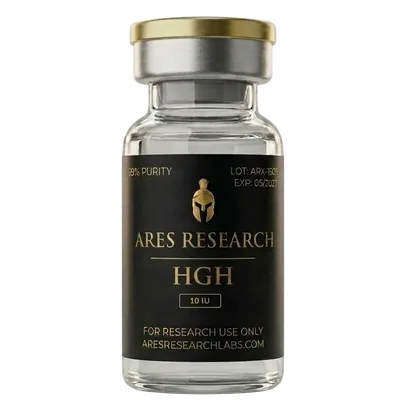
Packaging Strategy for Premium Peptide Brands 2026
Premium packaging is one of the highest-ROI brand investments at the stage where product quality is already established — but not all packaging investments return equally. Here's the ROI-ranked packaging stack for a research peptide brand building toward premium positioning.
Packaging is a trust signal that arrives at the exact moment a new customer is forming their first physical impression of the brand — and in a category where product quality is invisible until verified by documentation, the unboxing experience does significant brand-building work in the absence of other visible quality signals.
ROI-Ranked Packaging Investments
Not all packaging investments return equally. The highest ROI items are those that are touched by every customer, cost relatively little per unit, and carry brand messaging that reinforces the premium positioning. The lowest ROI items are structural packaging upgrades that are barely noticed by customers who open orders quickly.
Tier 1 — Highest ROI
Custom branded stickers on vials: the single most cost-effective brand touchpoint — the customer sees this first and handles it every time they reconstitute. Thank-you cards with handwritten or personalized elements: cost pennies, produce outsized brand impression, and drive direct social sharing. QR code research guide cards: send customers directly to your research hub, reinforcing authority while they have the product in hand.
Tier 2 — Strong ROI
Branded mailer boxes or bags: replace commodity packaging with branded equivalents at modest per-unit cost increase. Branded tape on exterior packaging: the first brand impression before the box opens. Foam or molded inserts protecting vials: signals quality and care in handling at low cost.
Tier 3 — Lower ROI
Luxury rigid boxes and elaborate interior design: meaningful cost per unit increase with diminishing returns compared to Tier 1 investments. These make sense for gift-oriented or ultra-premium positioning but are rarely the right first investment for brands earlier in their scaling journey.
The Documentation Insert Opportunity
A QR code insert that sends customers to the Ares One download page or the specific compound research guide is a packaging investment that drives a trackable digital action — arguably the single highest-conversion per-penny packaging element available, since it sends a physical customer into the digital product ecosystem immediately.
Running the numbers for a protocol? Use the research calculators to convert mg, mL, and syringe units.
Related Guides
Brand Positioning for Supplement and Wellness Companies
How supplement, wellness, and research-compound brands define a defensible position built on standards, sourcing, documentation, and service reliability.
Trust Signals That Convert Supplement and Wellness Buyers
Which trust signals actually influence supplement, wellness, and research-compound buyers, where to place them, and why borrowed or invented proof backfires.
A Growth Operating Cadence for Supplement Brands
How supplement, wellness, and peptide brands run paid media, search, content, and conversion work on one weekly and quarterly operating rhythm.
Marketing Measurement and Attribution for Supplement Brands
A practical measurement plan for supplement, wellness, and peptide brands: which numbers to trust, which to treat as diagnostics, and which to ignore.
A Full-Stack Growth System for Supplement Brands
Why paid media, SEO, landing pages, and reporting work better under one coordinated growth system for supplement, wellness, and peptide companies.
Supplement Content Marketing That Builds Real Authority
A practical content marketing framework for supplement and research-compound brands built on technical quality, topic architecture, and editorial discipline.