Hair Loss Research Peptides 2026
Androgenetic alopecia research spans androgen receptor antagonism, follicle gene expression modulation, and broader growth factor signaling — three distinct mechanistic approaches represented across the research catalog that address different aspects of hair follicle biology.
Hair loss research peptides approach the same general problem — androgenetic alopecia and follicle miniaturization — through fundamentally different mechanisms, reflecting the multi-factorial nature of the underlying biology.
RU58841 — Topical Androgen Receptor Antagonism
As detailed in our RU58841 research overview, this non-steroidal antiandrogen directly addresses the DHT-driven mechanism believed to underlie androgenetic alopecia — competitively blocking androgen receptor activation in follicle dermal papilla cells with minimal systemic absorption when applied topically. This is the most direct mechanistic approach to the androgen-driven component of pattern hair loss in the research catalog.
GHK-Cu — Gene Expression and Follicle Cycling
GHK-Cu's broad gene expression modulation — covered in our GHK-Cu complete guide — includes documented effects on hair follicle biology, with research showing upregulation of genes associated with the anagen (growth) phase of the hair cycle and reduced markers of follicle miniaturization. This represents a mechanistically distinct approach from RU58841's androgen receptor antagonism — addressing follicle health more broadly rather than the androgen pathway specifically.
GH-Axis and Follicle Growth Factor Signaling
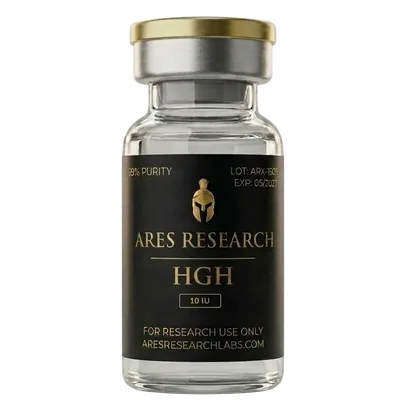
IGF-1 — the downstream mediator of GH-axis stimulation — has documented effects on hair follicle dermal papilla cell proliferation, connecting GH-axis research compounds to follicle biology through a growth factor signaling pathway distinct from both the androgen receptor and gene expression mechanisms above.
Combining Mechanisms in Research Design
Because androgenetic alopecia involves both androgen-driven miniaturization and broader follicle health factors, research designs combining RU58841's targeted androgen receptor antagonism with GHK-Cu's broader follicle gene expression support address the multi-factorial nature of the condition more comprehensively than either compound studied alone.
Related Research RU58841 Research Overview GHK-Cu Complete Research Guide HGH and IGF-1 Axis Research Guide
Research Use Only. DisclaimerFor laboratory and research use only. Not for human consumption. This content is educational and does not constitute medical advice.
Running the numbers for a protocol? Use the research calculators to convert mg, mL, and syringe units.
Related Research Articles
Research Peptides FAQ 2026 — The 20 Most Asked Questions,
The most common questions new and experienced researchers ask before and after sourcing — covering verification, storage, reconstitution, catalog selection, and what to do when documentation raises questions.
Research Peptide Vial Sizes Explained 2026
Vial sizing decisions affect reconstitution math, storage duration requirements, and cost efficiency simultaneously. Understanding common vial sizes and how to match them to your specific research protocol prevents both waste and mid-protocol stockouts.
Peptide Bioavailability Research Guide 2026
The subcutaneous injection standard for research peptides isn't arbitrary — it reflects the bioavailability physics of peptide compounds that oral and most other routes simply cannot overcome without molecular engineering. Here's the science and the exceptions.
Peptide Research Considerations for Women 2026
Most research peptide literature is conducted in male-dominant study populations, which creates meaningful gaps in female-specific data. Here's what the available research shows about hormonal context effects on GLP-class, GH-axis, and recovery peptide findings.
Peptide Dosing Frequency Research Guide 2026
Dosing frequency isn't an arbitrary protocol variable — it's determined by half-life and the specific receptor occupancy profile the research design requires. Getting this right is the difference between a protocol that tests the intended mechanism and one that tests something else entirely.
Neutral, moderated research discussion. Laboratory use only.
More compound guides, hubs, and educational research materials.