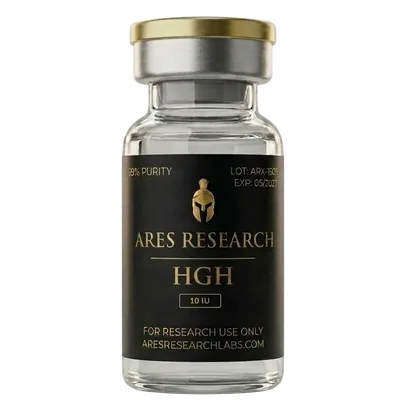
Research Peptide Vial Sizes Explained 2026
Vial sizing decisions affect reconstitution math, storage duration requirements, and cost efficiency simultaneously. Understanding common vial sizes and how to match them to your specific research protocol prevents both waste and mid-protocol stockouts.
Research peptide vials commonly come in sizes ranging from 2mg to 10mg or more per vial, depending on the compound and supplier. Choosing the right vial size for a given protocol is a balance between cost efficiency, reconstitution convenience, and the stability window of the reconstituted solution.
Common Vial Sizes by Category
GH-axis compounds like CJC-1295 and Ipamorelin commonly come in 2-5mg vials, sized for protocols using small per-dose quantities across daily administration. GLP-class compounds like Semaglutide and Tirzepatide are typically sized for multi-week weekly dosing protocols given their longer half-life and weekly administration pattern. Recovery peptides like BPC-157 and TB-500 commonly come in 5mg vials suited to daily or twice-daily dosing protocols.
Calculating Concentration After Reconstitution
The relationship between vial size, water added, and resulting concentration is straightforward: a 5mg vial reconstituted with 2mL of bacteriostatic water produces a 2.5mg/mL concentration. Researchers should calculate this explicitly before reconstituting rather than estimating, since dosing accuracy depends entirely on knowing the actual concentration. Our reconstitution guide covers the full calculation methodology.
Matching Vial Size to Protocol Duration
Given the 28-30 day stability window for reconstituted peptides in bacteriostatic water (per our storage guide), vial sizing should align with how much compound will actually be used within that window — purchasing a vial sized for a 60-day protocol when the reconstituted solution is only stable for 30 days means either discarding unused compound or extending beyond the recommended stability window.
Cost Efficiency Considerations
Larger vials typically offer better per-mg pricing, but only provide value if the full quantity can be used within the stability window. For protocols with longer durations, purchasing multiple smaller vials timed to reconstitute fresh as each prior vial is consumed often produces better actual cost efficiency than one large vial that exceeds the usable storage window.
Related Research Peptide Reconstitution Complete Guide Peptide Storage Complete Guide Ares One Stock Alerts and Reorder Timing
Research Use Only. DisclaimerFor laboratory and research use only. Not for human consumption. This content is educational and does not constitute medical advice.
<!-- AUTO_RELATED_RESEARCH --> ## Related Research
Related Research Articles
Research Peptides FAQ 2026 — The 20 Most Asked Questions,
The most common questions new and experienced researchers ask before and after sourcing — covering verification, storage, reconstitution, catalog selection, and what to do when documentation raises questions.
Hair Loss Research Peptides 2026
Androgenetic alopecia research spans androgen receptor antagonism, follicle gene expression modulation, and broader growth factor signaling — three distinct mechanistic approaches represented across the research catalog that address different aspects of hair follicle biology.
Peptide Bioavailability Research Guide 2026
The subcutaneous injection standard for research peptides isn't arbitrary — it reflects the bioavailability physics of peptide compounds that oral and most other routes simply cannot overcome without molecular engineering. Here's the science and the exceptions.
Peptide Research Considerations for Women 2026
Most research peptide literature is conducted in male-dominant study populations, which creates meaningful gaps in female-specific data. Here's what the available research shows about hormonal context effects on GLP-class, GH-axis, and recovery peptide findings.
Peptide Dosing Frequency Research Guide 2026
Dosing frequency isn't an arbitrary protocol variable — it's determined by half-life and the specific receptor occupancy profile the research design requires. Getting this right is the difference between a protocol that tests the intended mechanism and one that tests something else entirely.
Neutral, moderated research discussion. Laboratory use only.
More compound guides, hubs, and educational research materials.