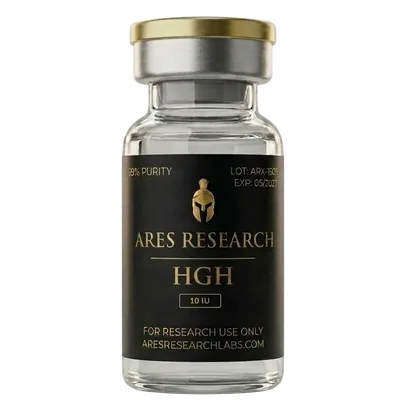
HGH Fragment 176-191 Research Guide 2026
HGH Fragment 176-191 is the C-terminal segment of human growth hormone hypothesized to be responsible for GH's lipolytic effects, studied in isolation to determine whether fat-burning activity can be separated from the growth-promoting and insulin-antagonizing effects of full-length GH.
Full-length growth hormone produces a range of effects in research models — anabolic, lipolytic, anti-insulin, and mitogenic — making it difficult to study any single mechanism in isolation. HGH Fragment 176-191 represents an attempt to isolate the lipolytic activity specifically, based on the hypothesis that the C-terminal region of GH contains the domain responsible for adipose tissue fat mobilization.
The Lipolytic Domain Hypothesis
Early research suggested that the C-terminal region of GH — specifically residues 176-191 — could mimic GH's fat-mobilizing effects when administered in isolation, while lacking the ability to bind the full GH receptor in a way that would produce the growth-promoting or anti-insulin effects of full-length GH. This research hypothesis drove interest in the fragment as a tool for studying lipolysis with a more favorable side-effect profile than full GH administration.
Lipolytic Mechanism Research
In animal model research, research-grade HGH Fragment 176-191 has been studied for its effects on lipolysis in adipose tissue, with proposed mechanisms involving beta-3 adrenergic receptor interaction and direct effects on adipocyte lipase activity. The fragment does not appear to engage the full GH receptor complex in the same manner as intact GH, which is consistent with its proposed selective lipolytic profile.
Comparison to Full-Length HGH
Where full-length HGH research examines the entire spectrum of GH receptor-mediated effects, HGH Fragment 176-191 research is specifically designed to isolate the fat metabolism question from the anabolic, IGF-1-mediated, and glucose-metabolism effects of full-length GH — making it a distinct research tool rather than a substitute for whole GH research.
Research Use Only. DisclaimerFor laboratory and research use only. Not for human consumption. This content is educational and does not constitute medical advice.
Running the numbers for a protocol? Use the research calculators to convert mg, mL, and syringe units.
Related Research Articles
Peptides for Lean Muscle Research 2026
Lean muscle research peaks in summer alongside weight loss research — researchers studying muscle preservation and growth during summer training cycles create consistent demand for the GH-axis and IGF-1 compound categories. Here's the summer 2026 lean muscle research guide.
Best Peptides for Tanning Research — Summer 2026 Guide
Melanocortin research compounds see their sharpest demand peak in summer months — MT-2 is the top-searched compound in this category by a significant margin. Here's the complete summer guide covering mechanism, sourcing, and verification.
Tesamorelin for Visceral Fat Research 2026
Tesamorelin's FDA-approved lipodystrophy history makes it unique among research peptides for visceral fat research — it carries a published clinical evidence base for visceral adipose tissue reduction that no other GHRH analog can match. Here's the research case and where to source it.
MT-2 Tanning Peptide Research — Summer 2026 Guide & Where to
MT-2 is the most searched melanocortin research compound in summer months — its MC1R-mediated pigmentation mechanism and the demand for verified domestic sourcing both peak during July and August. Here's the complete research and sourcing guide.
HGH Research Alternatives 2026 — Secretagogues, Fragments &
Researchers studying the growth hormone axis have distinct options — each with different mechanisms, evidence bases, and research applications. Here's how CJC-1295, Ipamorelin, Tesamorelin, HGH Fragment 176-191, and direct HGH compare across the key research dimensions.
Skin Peptide Stack Research 2026
Skin biology is addressed by several distinct research peptide mechanisms — collagen gene expression, vascularization, GH-axis IGF-1 signaling, and even the rapid skin laxity changes associated with significant weight loss on GLP compounds. Here's the complete picture.
Neutral, moderated research discussion. Laboratory use only.
More compound guides, hubs, and educational research materials.