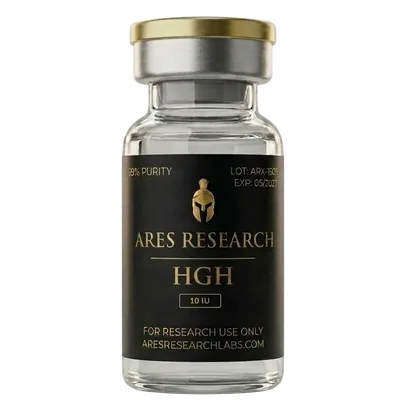
Thymosin Alpha-1 Research Hub — Immunomodulatory Peptide Studies
Thymosin Alpha-1 (Tα1) is a 28-amino-acid acetylated peptide isolated from thymic tissue. It is one of the most extensively cited immunomodulatory peptides, with research literature spanning toll-like receptor signalling, T-cell maturation and antiviral models.
What this hub covers
- 28-residue acetylated peptide structure
- TLR2/TLR9-mediated dendritic cell signalling
- T-cell maturation and Th1 polarisation literature
- Comparisons to Thymalin and broader thymic peptide research
- Reconstitution and storage best practice
Thymosin α-1 research articles
All research →Thymosin Alpha-1 vs BPC-157 — Research Comparison (2026)
Thymosin Alpha-1 vs BPC-157: immune modulation vs tissue repair, mechanism, dosing and which to choose for a research endpoint.
Read article →Thymosin Alpha-1 Reconstitution & Storage
Thymosin Alpha-1 reconstitution and storage guide: vial sizes, diluent volumes, U-100 syringe math, and stability windows for laboratory research.
Read article →Thymosin Alpha-1 Safety Profile — Research Reference (2026)
Thymosin Alpha-1 safety profile: tolerability, immune-modulation considerations, and monitoring.
Read article →Thymosin Alpha-1 (Tα1) Research Overview
Thymosin Alpha-1 (Tα1) is a synthetic 28-amino-acid thymic peptide. Overview of its sequence, receptor-signalling endpoints, and the limitations of the published record.
Read article →Thymosin Alpha-1 Benefits and Side Effects: A Research Guide
Published benefits, side effects, and clinical evidence base for Thymosin Alpha-1 — the immunomodulatory peptide approved in 35+ countries as Zadaxin.
Read article →Thymalin Research Overview
Thymalin is a thymic peptide complex — a polypeptide fraction of thymic origin — described in the literature for immunomodulation and T-cell differentiation research readouts, and distinct from the single-sequence Thymosin Alpha-1.
Read article →Thymosin Alpha-1 vs Thymalin: Single Sequence vs Thymic Preparation
A structural and analytical comparison of Tα1, a defined 28-residue sequence, with Thymalin, a multi-component thymic peptide preparation.
Read article →Thymosin Alpha-1 Dosing & Protocols — Research Reference
Reference dose tiers, reconstitution math, twice-weekly scheduling, and TLR-mediated immune-modulation considerations from the published thymosin alpha-1 research record.
Read article →Thymosin α-1 research FAQ
- What is Thymosin Alpha-1?
- Thymosin Alpha-1 (Tα1) is a 28-amino-acid acetylated peptide originally isolated from the thymus. It is widely cited in immunomodulation research for its effects on dendritic cell signalling and T-cell maturation.
- How does Thymosin Alpha-1 differ from Thymalin?
- Tα1 is a single defined peptide; Thymalin is a polypeptide fraction of thymic origin. The Thymalin overview compares mechanism, characterisation and research scope.
- Which signalling pathways are most cited?
- TLR2 and TLR9 activation on dendritic cells, with downstream effects on Th1 cytokine production and T-cell differentiation, are the most frequently cited pathways.
- How is Thymosin Alpha-1 stored?
- Lyophilized Tα1 is stable at 2–8 °C protected from light. After reconstitution, refrigerate and use within the COA's documented window.
All content on this hub is provided strictly for laboratory research purposes. Compounds listed are not for human or veterinary consumption. See our research-use disclosure for full terms.