Peptides for Fat Loss and Muscle Research 2026
Fat loss and muscle preservation are driven by different biological mechanisms — which means no single compound addresses both optimally. Here's how researchers combine GLP-class, GH-axis, and IGF-1 compounds to study each side of the recomposition question independently and together.
Body recomposition research — simultaneous fat mass reduction and lean mass preservation — is one of the most searched topics in the research peptide category, and also one of the most mechanistically complex. No single compound drives both outcomes through the same pathway, which is why the most rigorous recomposition research designs are inherently multi-compound.
The Fat Loss Side: GLP-Class Compounds
Retatrutide, Tirzepatide, and Semaglutide address fat mass reduction through appetite suppression and metabolic mechanisms. The critical research finding across all three is that GLP-class weight loss includes a lean mass component alongside fat mass — Phase 3 trials consistently show some percentage of total weight lost comes from lean tissue. This is what drives research interest in pairing GLP compounds with lean-mass-preserving agents.
The Muscle Preservation Side: GH-Axis Compounds
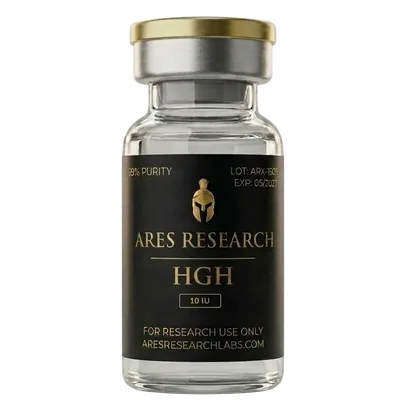
Growth hormone-axis research compounds — CJC-1295, Ipamorelin, and direct HGH — support lean mass through anabolic signaling that is mechanistically independent of caloric intake. GH promotes protein synthesis and IGF-1 production even in a caloric deficit, making GH-axis stimulation a studied approach to reducing the lean mass loss that accompanies GLP-driven caloric restriction.
IGF-1 for Direct Anabolic Signaling
IGF-1 LR3 allows researchers to study anabolic receptor stimulation at the muscle tissue level directly, bypassing the pituitary axis entirely. In recomposition research designs, this enables isolation of the muscle-level anabolic question from the GH-mediated systemic effects.
The Research Design Question
Multi-compound recomposition research requires careful attribution design — when fat loss and lean mass outcomes are studied simultaneously with multiple compounds active, establishing which compound drives which effect requires single-compound baseline periods before combination protocols. See our body recomposition research guide for the full framework.
Related Research Body Recomposition Research Guide 2026 Metabolic Peptide Stack Research 2026 Best HGH Peptide Stack Research Retatrutide Triple Agonist Mechanism
Research Use Only. DisclaimerFor laboratory and research use only. Not for human consumption. This content is educational and does not constitute medical advice.
Running the numbers for a protocol? Use the research calculators to convert mg, mL, and syringe units.
Related Research Articles
Best Peptide Stack for Summer Cut Research 2026
Summer is when "cut" research protocols see peak demand — simultaneous fat mass reduction and muscle preservation is the most searched body composition research goal from June through August. Here's the mechanistically justified summer research stack.
Retatrutide vs Tirzepatide — Which Is Better for Research in
This is the most searched GLP-class comparison right now. The honest answer isn't "one is better" — it's that they're better at different research questions. Here's the definitive mechanistic breakdown and the decision framework for choosing between them.
Best Research Peptides for Body Recomposition
Body recomposition research — fat loss and muscle preservation simultaneously — requires compounds from at least two distinct mechanistic categories. Here's the optimal summer 2026 research design combining GLP-class and GH-axis compounds for the complete recomposition picture.
Best Peptides for Weight Loss Research
The metabolic research peptide landscape has a clear evidence hierarchy — from the most mature Phase 3 data to emerging Phase 2 findings. Here's how each major compound ranks by evidence strength, mechanism complexity, and what makes it distinct for fat mass research.
Semaglutide Weight Loss Plateau Research 2026
Weight loss on GLP-1 agonists typically plateaus after 24-36 weeks — a finding documented across the STEP trial program. Understanding why this happens mechanistically, and what the research shows about progression strategies, is among the most clinically relevant questions in the class.
Visceral Fat Research and Peptides 2026 — GLP, Tesamorelin,
Visceral adipose tissue — metabolically active fat surrounding abdominal organs — is documented as more metabolically consequential than subcutaneous fat, making it a specific research target for several compound categories through distinct mechanisms.
Neutral, moderated research discussion. Laboratory use only.
More compound guides, hubs, and educational research materials.