Best HGH Peptide Stack Research 2026
The most researched GH-axis peptide stacks combine a GHRH analog with a GHRP — two compounds targeting completely different receptors that both converge on the same GH pulse output. Here's the mechanism rationale behind each major combination and what the research shows.
The GH-axis peptide stack research category is built on one core mechanistic insight: GHRH receptor activation and ghrelin receptor activation are independent pathways that both stimulate pituitary somatotrophs to release GH — and when both pathways are activated simultaneously, research models consistently document a synergistic rather than simply additive GH pulse response.
The Core Stack Logic: GHRH + GHRP
A GHRH analog (CJC-1295, Tesamorelin, or Sermorelin) activates the GHRH receptor. A GHRP (Ipamorelin, specifically, given its clean GH selectivity without cortisol or prolactin elevation) activates the ghrelin receptor. Two receptors, two signaling cascades, one pituitary cell — and research shows the converging stimulation produces a larger GH pulse than either compound produces alone. This is the same logic detailed in our CJC-1295 + Ipamorelin stack guide.
CJC-1295 + Ipamorelin — The Standard Research Stack
CJC-1295 with DAC provides continuous, sustained GHRH receptor stimulation with weekly dosing. Combined with Ipamorelin's selective ghrelin receptor activation, this is the most commonly studied dual-pathway GH stack — the combination that has the most published research behind it and the most established protocol precedent in the literature.
Tesamorelin + Ipamorelin — The Clinical History Stack
Tesamorelin carries FDA-approval history for lipodystrophy that CJC-1295 lacks, providing a more extensive published evidence base for the GHRH analog component. Pairing with Ipamorelin follows the same dual-pathway rationale. Researchers who prioritize a GHRH analog with the deepest clinical literature tend toward this combination. See the Tesamorelin vs CJC-1295 comparison for the structural differences.
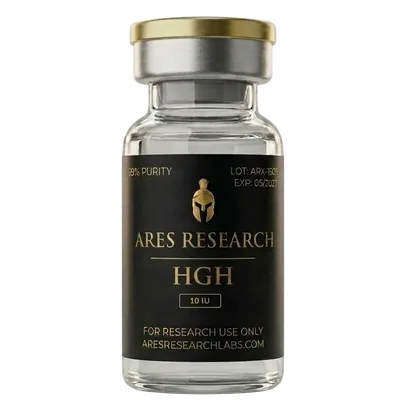
Adding research-grade HGH Directly — A Different Research Question
Some researchers add direct HGH alongside secretagogues to study the combined effect of both exogenous GH and stimulated endogenous GH. This is a distinct research design from secretagogue-only stacks — it bypasses the pituitary axis for the exogenous component while maintaining the secretagogue-stimulated component, allowing separation of direct GH effects from pituitary-mediated ones.
Related Research CJC-1295 + Ipamorelin Stack Guide HGH vs Peptide Secretagogues Comparison Tesamorelin vs CJC-1295 Research Comparison HGH Pulsatile Release Research
Research Use Only. DisclaimerFor laboratory and research use only. Not for human consumption. This content is educational and does not constitute medical advice.
Running the numbers for a protocol? Use the research calculators to convert mg, mL, and syringe units.
Related Research Articles
Peptides for Lean Muscle Research 2026
Lean muscle research peaks in summer alongside weight loss research — researchers studying muscle preservation and growth during summer training cycles create consistent demand for the GH-axis and IGF-1 compound categories. Here's the summer 2026 lean muscle research guide.
Best Peptides for Tanning Research — Summer 2026 Guide
Melanocortin research compounds see their sharpest demand peak in summer months — MT-2 is the top-searched compound in this category by a significant margin. Here's the complete summer guide covering mechanism, sourcing, and verification.
Tesamorelin for Visceral Fat Research 2026
Tesamorelin's FDA-approved lipodystrophy history makes it unique among research peptides for visceral fat research — it carries a published clinical evidence base for visceral adipose tissue reduction that no other GHRH analog can match. Here's the research case and where to source it.
MT-2 Tanning Peptide Research — Summer 2026 Guide & Where to
MT-2 is the most searched melanocortin research compound in summer months — its MC1R-mediated pigmentation mechanism and the demand for verified domestic sourcing both peak during July and August. Here's the complete research and sourcing guide.
HGH Research Alternatives 2026 — Secretagogues, Fragments &
Researchers studying the growth hormone axis have distinct options — each with different mechanisms, evidence bases, and research applications. Here's how CJC-1295, Ipamorelin, Tesamorelin, HGH Fragment 176-191, and direct HGH compare across the key research dimensions.
Skin Peptide Stack Research 2026
Skin biology is addressed by several distinct research peptide mechanisms — collagen gene expression, vascularization, GH-axis IGF-1 signaling, and even the rapid skin laxity changes associated with significant weight loss on GLP compounds. Here's the complete picture.
Neutral, moderated research discussion. Laboratory use only.
More compound guides, hubs, and educational research materials.