Best Peptides for Fat Loss Research 2026
The most studied peptides in fat loss and metabolic research 2026. GLP-1 agonists, lipolytic fragments, AMPK activators and amylin analogs reviewed from published literature.
The landscape of metabolic research peptides has expanded dramatically in recent years. From GLP-1 receptor agonists that redefined weight loss pharmacology to lipolytic growth hormone fragments studied for targeted adipose reduction, researchers now have access to a broad spectrum of compounds with distinct mechanisms and documented metabolic effects. This reference compiles the most studied peptides in fat loss research as of 2026, organized by mechanism class with findings from the published literature.
GLP-1 Receptor Agonists — The Dominant Metabolic Research Class
Glucagon-like peptide-1 receptor agonists have become the most extensively researched compounds in metabolic science. Their mechanism — slowing gastric emptying, reducing appetite through central GLP-1 receptors, and enhancing insulin sensitivity — has been documented across thousands of peer-reviewed trials.
[Retatrutide](/research/hubs/retatrutide) ([GLP-3RT](/research/hubs/glp-3rt)) represents the current frontier of this class. As a triple agonist targeting GLP-1, GIP, and glucagon receptors simultaneously, Phase 2 data published in the New England Journal of Medicine documented mean body weight reductions of 24.2% at 48 weeks — the largest pharmacological weight reduction reported in published literature at the time. The glucagon receptor arm's contribution to thermogenesis distinguishes it from dual and mono agonists.
[Tirzepatide](/catalog/ares-cut-2) demonstrated the clinical viability of dual GIP/GLP-1 co-agonism through the SURMOUNT program, with mean weight reductions of 22.5% in the highest dose cohort. The GIP receptor arm's contribution appears to enhance tolerability and amplify the metabolic response beyond GLP-1 agonism alone.
[Semaglutide](/catalog/ares-cut-1) remains the reference GLP-1 mono-agonist with the most complete cardiovascular and metabolic outcomes dataset. STEP trials documented consistent 14-17% mean weight reduction with a well-characterized adverse event profile dominated by dose-dependent gastrointestinal effects.
Growth Hormone Fragment Research — Targeted Lipolysis Models
[AOD-9604](/research/hubs/aod-9604) is a stabilized synthetic analogue of the C-terminal domain of human growth hormone (residues 176-191), engineered to retain lipolytic signaling without IGF-1 elevation or insulin resistance. Preclinical research demonstrated selective stimulation of fat oxidation in adipose tissue through beta-3 adrenergic receptor interactions.
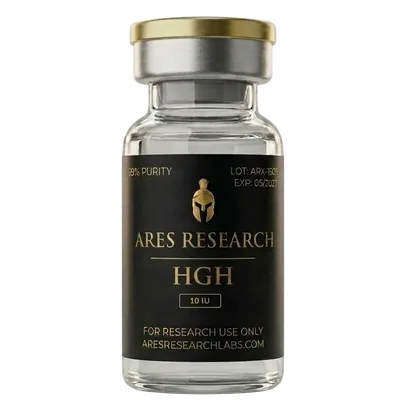
[HGH](/research/hubs/hgh) [Fragment 176-191](/catalog/hgh-frag-176-191) shares structural identity with AOD-9604 and is studied in the same lipolytic pathway models. Research has focused on its selective activation of fat metabolism signaling without the systemic endocrine effects associated with recombinant somatropin.
AMPK Pathway Research — Metabolic Switch Compounds
5-Amino-1MQ is a small molecule NNMT inhibitor studied for its ability to elevate NAD+ precursors and activate AMPK-mediated metabolic pathways. Research models have examined its role in adipocyte differentiation and fat cell size reduction.
AICAR is a direct AMPK activator studied extensively as an exercise mimetic. Published research demonstrated significant effects on fatty acid oxidation, mitochondrial biogenesis, and glucose uptake in skeletal muscle models — producing metabolic adaptations typically associated with endurance training in sedentary animal subjects.
MOTS-c is a mitochondria-derived peptide that activates AMPK through a folate-cycle dependent mechanism. Research has documented its role in insulin sensitization, exercise capacity enhancement, and metabolic aging models. Plasma MOTS-c levels decline with age, positioning it as a research target in metabolic aging.
Amylin Analog Research — Satiety Pathway Modulation
Cagrilintide is a long-acting amylin analog with an approximately 7-day half-life, studied primarily in combination with semaglutide as CagriSema. Phase 1b trial data documented additive weight reduction when combining amylin and GLP-1 receptor pathways — with the amylin arm contributing distinct gastric emptying modulation and central satiety signaling.
Stacking Considerations in Metabolic Research
The most studied combination is GLP-1 plus amylin (CagriSema), where complementary mechanisms produce additive rather than redundant effects. Researchers studying energy balance have also examined GH-axis peptides alongside GLP-1 agonists given their distinct mechanisms — GH pathway compounds affecting substrate partitioning while GLP-1 agonists reduce caloric intake.
All compounds listed are intended strictly for laboratory and research use only. Not for human consumption. Not intended to diagnose, treat, cure, or prevent any disease. For research use only per Ares Research terms.
Related Research Articles
Best Peptide Stack for Summer Cut Research 2026
Summer is when "cut" research protocols see peak demand — simultaneous fat mass reduction and muscle preservation is the most searched body composition research goal from June through August. Here's the mechanistically justified summer research stack.
Best Research Peptides for Body Recomposition
Body recomposition research — fat loss and muscle preservation simultaneously — requires compounds from at least two distinct mechanistic categories. Here's the optimal summer 2026 research design combining GLP-class and GH-axis compounds for the complete recomposition picture.
Best Peptides for Weight Loss Research
The metabolic research peptide landscape has a clear evidence hierarchy — from the most mature Phase 3 data to emerging Phase 2 findings. Here's how each major compound ranks by evidence strength, mechanism complexity, and what makes it distinct for fat mass research.
Visceral Fat Research and Peptides 2026 — GLP, Tesamorelin,
Visceral adipose tissue — metabolically active fat surrounding abdominal organs — is documented as more metabolically consequential than subcutaneous fat, making it a specific research target for several compound categories through distinct mechanisms.
Neutral, moderated research discussion. Laboratory use only.
More compound guides, hubs, and educational research materials.