Best Peptides for Muscle Research 2026
The most studied peptides in muscle growth, anabolic signaling and performance research 2026. HGH, IGF-1 LR3, SARMs, myostatin inhibitors reviewed from published literature.
Muscle research encompasses one of the broadest categories in peptide science. From growth hormone axis compounds driving IGF-1 mediated protein synthesis to selective androgen receptor modulators studied for tissue-selective anabolic signaling, researchers have access to a well-characterized toolkit with distinct mechanisms and evidence bases.
The GH Axis — Primary Anabolic Research Pathway
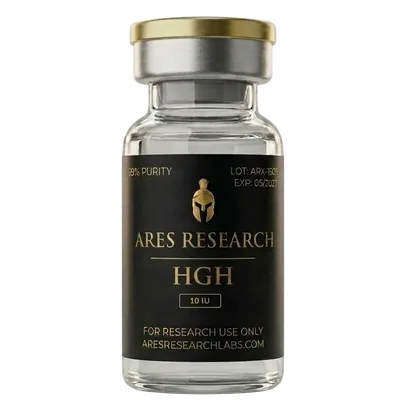
Recombinant [research-grade HGH](/catalog/hgh) ([Somatropin](/research/hubs/hgh)) is the reference compound for GH axis research. Its anabolic effects are primarily mediated through hepatic IGF-1 generation via JAK2/STAT5 signaling, with direct effects on protein synthesis, nitrogen retention, and lipolysis. The clinical evidence base spans decades of research in GH deficiency, body composition, and aging models.
[IGF-1 LR3](/catalog/igf-1-lr3) is a long-acting analogue of insulin-like growth factor 1 modified to reduce binding protein affinity by approximately 1000-fold, extending its effective half-life from minutes to 20-30 hours. Research documented direct activation of the IGF-1 receptor, PI3K/Akt/mTOR signaling, and downstream protein synthesis independent of GH receptor activation — making it valuable for isolating downstream IGF-1 pathway effects.
[CJC-1295](/research/hubs/cjc-1295) + [Ipamorelin](/research/hubs/ipamorelin) represents the most studied peptide combination for GH axis stimulation. CJC-1295 activates pituitary GHRH receptors while Ipamorelin selectively activates GHS-R1a through a distinct pathway, producing synergistic GH pulses that more closely mimic physiological pulsatility than exogenous HGH.
Myostatin Pathway Research
YK-11 is a steroidal compound studied as both a SARM and myostatin inhibitor. Research documented androgen receptor activation alongside follistatin upregulation — potentially producing a dual anabolic mechanism distinct from conventional SARMs.
[ACE-031](/catalog/ace-031) is a soluble activin receptor type IIB decoy protein that sequesters myostatin and activin A. Clinical research demonstrated significant lean mass increases in healthy volunteers and neuromuscular disease patients.
Follistatin 344 directly binds and neutralizes myostatin, activin A, and related TGF-β superfamily ligands. Preclinical research documented extraordinary muscle hypertrophy in follistatin-overexpressing animal models.
SARM Research — Selective Androgen Receptor Modulation
RAD-140 (Testolone) demonstrates high binding affinity for the androgen receptor with documented selectivity for muscle and bone tissue in preclinical models.
LGD-4033 (Ligandrol) was among the first SARMs to enter human clinical trials, with Phase 1 data documenting dose-dependent lean mass increases at doses as low as 1mg daily with acceptable tolerability.
PEG-MGF and IGF-DES — Localized Growth Factor Research
[PEG-MGF](/catalog/peg-mgf) is a splice variant of IGF-1 produced in response to mechanical stress. Pegylation extends its half-life from minutes to days, enabling research into sustained effects on muscle recovery and satellite cell activation.
[IGF-DES](/catalog/igf-des) lacks the first three amino acids of standard IGF-1, dramatically reducing binding protein affinity while retaining full IGF-1 receptor activation. Research focused on highly potent, localized anabolic signaling in muscle tissue models.
All compounds are intended strictly for laboratory and research use only. Not for human consumption. Not intended to diagnose, treat, cure, or prevent any disease. For research use only per Ares Research terms.
Related Research Articles
Peptides for Lean Muscle Research 2026
Lean muscle research peaks in summer alongside weight loss research — researchers studying muscle preservation and growth during summer training cycles create consistent demand for the GH-axis and IGF-1 compound categories. Here's the summer 2026 lean muscle research guide.
Best Peptides for Tanning Research — Summer 2026 Guide
Melanocortin research compounds see their sharpest demand peak in summer months — MT-2 is the top-searched compound in this category by a significant margin. Here's the complete summer guide covering mechanism, sourcing, and verification.
HGH Research Alternatives 2026 — Secretagogues, Fragments &
Researchers studying the growth hormone axis have distinct options — each with different mechanisms, evidence bases, and research applications. Here's how CJC-1295, Ipamorelin, Tesamorelin, HGH Fragment 176-191, and direct HGH compare across the key research dimensions.
Skin Peptide Stack Research 2026
Skin biology is addressed by several distinct research peptide mechanisms — collagen gene expression, vascularization, GH-axis IGF-1 signaling, and even the rapid skin laxity changes associated with significant weight loss on GLP compounds. Here's the complete picture.
Neutral, moderated research discussion. Laboratory use only.
More compound guides, hubs, and educational research materials.