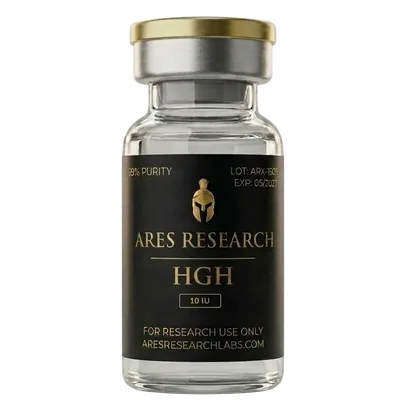
What Is Thymalin?
What is Thymalin? Thymic peptide immune research overview.
Thymalin is a synthetic bioregulatory peptide derived from the thymus gland, originally developed through extensive Soviet-era research into the mechanisms of cellular aging and immune function. As scientists seek to understand what is [Thymalin](/catalog/thymalin) and how it influences biological systems, current literature focuses on its capacity to modulate the immune response and promote homeostatic balance. This short-chain peptide mimic, composed of L-Glu-L-Trp, serves as a cornerstone in geriatric and immunological research environments.
The Bioregulatory Mechanism of Thymalin At the cellular level, Thymalin functions as a biomodulator of the thymus gland, an organ essential for the maturation and selection of T-lymphocytes. Unlike standard immune stimulants, Thymalin is categorized as a bioregulator, meaning its primary function is to restore physiological parameters to their baseline rather than forcing a linear increase in activity.
Research indicates that Thymalin exerts its effects by influencing the expression of genes associated with the immune and neuroendocrine systems. By interacting with chromatin, the peptide may facilitate the transcription of specific sequences that govern T-cell differentiation. This mechanism is often studied in conjunction with other bioregulators like /catalog/epithalon, which targets the pineal gland, suggesting a synergistic relationship between thymic and pineal peptides in maintaining the body's biorhythm and immune surveillance.
Clinical Research Findings and Immune Restoration The historical data regarding Thymalin is largely centered on its ability to reverse immunodeficiency states. In longitudinal studies conducted over decades in Eastern Europe, Thymalin was observed to significantly reduce the incidence of acute respiratory infections and markers of chronic inflammation in elderly populations.
- Key research findings include:
- T-Cell Normalization: Thymalin has been shown to increase the number and functional activity of T-lymphocytes in subjects with age-related thymic involution.
- Cytokine Regulation: The peptide modulates the production of pro-inflammatory cytokines, potentially mitigating the "cytokine storm" observed in hyper-inflammatory states.
- Metabolic Influence: Some studies suggest that by improving immune function, Thymalin indirectly influences lipid metabolism and glucose sensitivity, though these mechanisms require further investigation.
Researchers often examine Thymalin alongside /catalog/thymosin-alpha-1 to compare their respective potencies and specificity in modulating CD4+ and CD8+ cell populations. While Thymosin Alpha-1 is often noted for its direct antiviral and antifungal properties, Thymalin is researched for its broader role in systemic bioregulation and longevity.
Comparative Context: Thymalin vs. TB-500 In laboratory settings, it is crucial to distinguish what is Thymalin compared to other thymic derivatives like Thymosin Beta-4. While Thymalin is a focused bioregulator of immune function, /catalog/tb-500 (the synthetic version of Thymosin Beta-4) is primarily recognized for its role in tissue repair, angiogenesis, and cell migration.
Thymalin consists of two amino acids (Glu-Trp), whereas TB-500 is a significantly larger peptide. Consequently, Thymalin is utilized in research focusing on immune aging (immunosenescence) and geriatric medicine, whereas TB-500 is the standard for musculoskeletal recovery and wound healing research hubs. Understanding these distinctions allows researchers to select the precise peptide for their specific systemic or localized study objectives.
Experimental Reconstitution and Handling Thymalin is typically provided in a lyophilized (freeze-dried) powder form to ensure molecular stability during transport and storage. For laboratory analysis, the peptide must be reconstituted using a bacteriostatic or sterile saline medium.
Because Thymalin is a short-chain peptide, it is relatively stable compared to larger proteins, yet it remains sensitive to high temperatures and intense agitation. Standard laboratory protocols suggest storing the lyophilized powder at -20°C for long-term stability. Once reconstituted, the solution should be kept refrigerated at 2-8°C and utilized within a timeframe that prevents peptide degradation. Precise concentration calculation is vital for ensuring the reproducibility of results in cell culture or animal model studies.
Limitations and Future Directions in Research Despite the promising historical data, contemporary research into Thymalin faces several limitations. Much of the early clinical data was published in non-English journals, which has necessitated a modern wave of peer-reviewed replication in Western laboratories.
- Current limitations include:
- Bioavailability: Like most peptides, Thymalin has low oral bioavailability, necessitating parenteral routes in experimental models.
- Specific Signaling Pathways: While the general effect on T-cell maturation is known, the exact intracellular signaling cascades triggered by the Glu-Trp dipeptide require higher-resolution genomic and proteomic analysis.
- Synergy Data: There is a lack of comprehensive data regarding the interaction between Thymalin and modern pharmacological agents, limiting its use in multifaceted research protocols.
Future studies are shifting toward the epigenetic impact of Thymalin, exploring how it may reverse the "epigenetic clock" by demethylating specific gene regions associated with the immune system's decline.
Frequently Asked Questions
Q: Is Thymalin the same as Thymosin Alpha-1? No. While both are derived from thymic research, Thymalin is a synthetic dipeptide (L-Glu-L-Trp) used primarily for systemic bioregulation and restoring immune homeostasis. Thymosin Alpha-1 is a longer sequence (28 amino acids) with a more defined role in stimulating specific immune responses against pathogens and is often studied for its direct potentiation of the innate immune system.
Q: How does Thymalin differ from other bioregulators? Thymalin is organ-specific, targeting the thymus gland. While other bioregulators like Epithalon target the pineal gland to influence melatonin and aging, Thymalin focuses specifically on the maturation of T-lymphocytes and the correction of immunodeficiency. In bioregulatory theory, they are often used in tandem to address the "neuroendocrine-immune" axis.
Q: What is the primary storage requirement for Thymalin? Thymalin should be stored in a cool, dark environment. In its lyophilized state, it is stable at room temperature for short periods but should be kept at -20°C for long-term preservation. After reconstitution, the peptide is susceptible to heat and light and must be refrigerated to maintain its structural integrity for the duration of the experimental cycle.
Q: Can Thymalin be used for wound healing research? While Thymalin supports the immune system, which is a component of the healing process, it is not the primary peptide researched for tissue repair. For studies focused on angiogenesis, muscle repair, or collagen synthesis, researchers typically look toward TB-500 or BPC-157, as these exhibit a more direct influence on the cellular mechanisms of physical recovery.
Research Use Only. This content is intended for laboratory and research purposes only. Not for human consumption, diagnosis, or treatment.
Related Research Articles
Sleep and Recovery Peptide Research 2026
Sleep architecture and circadian biology connect to several distinct research peptide categories — pineal gland-derived compounds, GH-axis secretagogues timed to nocturnal pulses, and DSIP's contested but historically significant sleep research thread. Here's how they relate.
NAD+ vs Glutathione Research Comparison 2026
NAD+ and Glutathione are both studied in cellular longevity and antioxidant research contexts — but their mechanisms are distinct enough that comparing them as alternatives misses the point. Here's what each one does and why they're often studied together.
MOTS-c Clinical Studies and Findings
MOTS-c Clinical Studies and Findings: research-context overview for laboratory reference at Ares Research.
Epithalon Clinical Studies and Findings
Epithalon Clinical Studies and Findings: research-context overview for laboratory reference at Ares Research.
Glutathione Clinical Studies and Findings
Glutathione Clinical Studies and Findings: research-context overview for laboratory reference at Ares Research.
NAD+ Clinical Studies and Findings
NAD+ Clinical Studies and Findings: research-context overview for laboratory reference at Ares Research.
Neutral, moderated research discussion. Laboratory use only.
More compound guides, hubs, and educational research materials.