What Is Thymosin Alpha-1?
What is Thymosin Alpha-1? Immune-modulating peptide research mechanisms.
Thymosin Alpha-1 (Tα1) is a naturally occurring peptide fragment consisting of 28 amino acids derived from prothymosin alpha, primarily produced by the thymus gland. Researchers investigating what is [thymosin alpha-1](/catalog/thymosin-alpha-1) often classify it as an immunomodulating agent capable of enhancing the adaptive immune response while reducing excessive inflammation. Its biological significance lies in its ability to restore immune homeostasis in models of chronic infection, cancer, and autoimmune dysfunction.
The Biochemical Profile of Thymosin Alpha-1
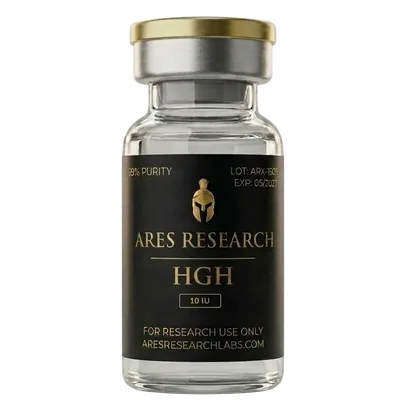
Thymosin Alpha-1 is a synthetic version of a peptide originally isolated from thymus tissue in the 1970s. Structurally, it is highly conserved across species, indicating a fundamental biological role in immune regulation. Unlike many metabolic peptides, such as /catalog/hgh which primarily influence cell growth and regeneration via the IGF-1 pathway, Tα1 acts directly on immune cell precursors and mature leukocytes.
The peptide is highly polar and maintains a specific folding pattern that allows it to interact with Toll-like receptors (TLRs). This mechanism is central to its role in the innate immune system, serving as a bridge to the adaptive immune system. In laboratory settings, Tα1 is often studied for its ability to increase the expression of major histocompatibility complex (MHC) Class I and II molecules, thereby improving the efficiency of antigen presentation.
Mechanism of Action: Immunomodulation and Signaling
The primary mechanism of Tα1 involves its interaction with Toll-like receptor 9 (TLR9) and TLR2 in myeloid dendritic cells. By stimulating these receptors, the peptide triggers the production of signaling molecules like Interferon-alpha (IFN-α) and various interleukins. This process facilitates the differentiation of naïve T-cells into mature T-helper (Th) cells, particularly Th1 cells, which are critical for mounting a defense against intracellular pathogens.
Furthermore, Tα1 exhibits a dual-phase functionality. While it promotes the activation of natural killer (NK) cells and cytotoxic T-lymphocytes, it also increases the production of regulatory T-cells (Tregs). This balanced action allows the peptide to enhance immune vigilance without necessarily overstimulating the system into a cytokine storm. This makes it a unique subject of study compared to other thymic derivatives like /catalog/tb-500, which focus more on angiogenesis and tissue repair rather than direct immunologic signaling.
Preclinical Research and Clinical Trials
Extensive research has focused on the application of Tα1 in various disease models. One of its most documented uses is in the context of viral hepatitis (B and C), where it has been shown to improve viral clearance and enhance the efficacy of interferon-based therapies. Studies have observed that the peptide increases the expression of glutathione levels in liver tissue, providing secondary hepatoprotective effects.
In oncology research, the peptide is evaluated for its potential to mitigate the immunosuppressive environment created by chemotherapy. By stimulating lymphocyte recovery, Tα1 may reduce the incidence of opportunistic infections in immunocompromised subjects. Additionally, research investigating the combination of Tα1 with metabolic agents like /catalog/igf-1-lr3 has been proposed to examine the interplay between growth factor signaling and immune surveillance, particularly in aging models where both systems show decline.
Recent studies have also explored Tα1 in the context of sepsis and acute respiratory distress. In these scenarios, the peptide’s ability to downregulate pro-inflammatory cytokines while maintaining the functional capacity of lymphocytes appears to improve survival rates in animal models by preventing immune exhaustion.
Comparison with Other Immune Peptides
While Thymosin Alpha-1 is the primary immunomodulator of the thymus, it is often compared to other reparative or immunologic peptides found in research. For instance, while BPC-157 focuses on the gastrointestinal tract and musculoskeletal integrity, Tα1 is almost exclusively systemic in its immunological reach.
Unlike GHK-Cu, which modulates DNA expression for skin and tissue repair, Tα1 modulates the literal machinery of the immune response—specifically the T-cell population. Research protocols often investigate whether the concurrent use of Tα1 with antioxidant peptides or glutathione-enhancing agents can create a synergistic environment for cellular protection during heightened immune stress.
Reconstitution and Handling in a Laboratory Setting
Thymosin Alpha-1 is typically supplied as a lyophilized (freeze-dried) powder to maintain structural integrity and prevent enzymatic degradation. For research use, the peptide must be reconstituted with Bacteriostatic Water (0.9% benzyl alcohol) or sterile saline. Because Tα1 is a delicate 28-amino acid chain, high-shear force should be avoided during reconstitution; the diluent should be introduced gently along the side of the vial.
Once reconstituted, the peptide is sensitive to temperature fluctuations. It is generally recommended to store the solution at 2°C to 8°C (36°F to 46°F). Long-term stability research suggests that the peptide remains viable for approximately 8 to 14 days post-reconstitution if refrigerated, though specific stability benchmarks vary based on the concentration and the pH of the solvent used.
Limitations and Future Outlook
Despite the promising data surrounding Tα1, there are limitations in current research. Most high-quality data stems from systemic administration, and oral bioavailability remains extremely low due to the peptide's susceptibility to stomach acid and proteases. Scientific focus is currently shifting toward nasal or pulmonary delivery systems to bypass these barriers while maintaining efficacy.
Furthermore, while Tα1 is effective at boosting the immune response, researchers must carefully calibrate the dose-response relationship. Excessive stimulation of the T-cell population could, in theory, exacerbate certain Th1-dominant autoimmune conditions. Consequently, future research is centered on identifying specific biomarkers that can predict a subject's response to Thymosin Alpha-1 therapy, ensuring more targeted and safe applications in immunotherapies.
Frequently Asked Questions
Q: Is Thymosin Alpha-1 the same as Thymosin Beta-4? No. While both originate from the thymus, they are functionally distinct. Thymosin Alpha-1 is primarily an immunomodulator that enhances T-cell function and cytokine production. Thymosin Beta-4 (often associated with TB-500) is primarily involved in cell migration, wound healing, and actin sequestration.
Q: How does Thymosin Alpha-1 influence T-cell maturation? Thymosin Alpha-1 promotes the differentiation of lymphoid stem cells into T-cells. It increases the expression of T-cell surface markers and stimulates the maturation of thymocytes into functional, immunocompetent T-lymphocytes ready for peripheral circulation.
Q: What is the primary storage requirement for the lyophilized peptide? In its lyophilized form, Thymosin Alpha-1 should be stored in a freezer at -20°C for long-term stability (up to 24 months). It should be protected from light and moisture to prevent the degradation of its amino acid sequence.
Q: Can Tα1 suppress the immune system? Rather than purely suppressing or stimulating the immune system, Tα1 is considered a "balancer." It can enhance the immune response during infection but can also increase the production of regulatory T-cells (Tregs) which prevent the immune system from attacking the body’s own tissues, thereby assisting in the maintenance of homeostasis.
Research Use Only. This content is intended for laboratory and research purposes only. Not for human consumption, diagnosis, or treatment.
Related Research Articles
Sleep and Recovery Peptide Research 2026
Sleep architecture and circadian biology connect to several distinct research peptide categories — pineal gland-derived compounds, GH-axis secretagogues timed to nocturnal pulses, and DSIP's contested but historically significant sleep research thread. Here's how they relate.
NAD+ vs Glutathione Research Comparison 2026
NAD+ and Glutathione are both studied in cellular longevity and antioxidant research contexts — but their mechanisms are distinct enough that comparing them as alternatives misses the point. Here's what each one does and why they're often studied together.
MOTS-c Clinical Studies and Findings
MOTS-c Clinical Studies and Findings: research-context overview for laboratory reference at Ares Research.
Epithalon Clinical Studies and Findings
Epithalon Clinical Studies and Findings: research-context overview for laboratory reference at Ares Research.
Glutathione Clinical Studies and Findings
Glutathione Clinical Studies and Findings: research-context overview for laboratory reference at Ares Research.
NAD+ Clinical Studies and Findings
NAD+ Clinical Studies and Findings: research-context overview for laboratory reference at Ares Research.
Neutral, moderated research discussion. Laboratory use only.
More compound guides, hubs, and educational research materials.