STACK · 01
Recovery Stack
Curated research selection for tissue and regenerative research models.
INCLUDES
- BPC-157
- TB-500
- KPV
RESEARCH USE ONLY
Curated groupings of complementary compounds for focused laboratory research applications.
Curated research selection for tissue and regenerative research models.
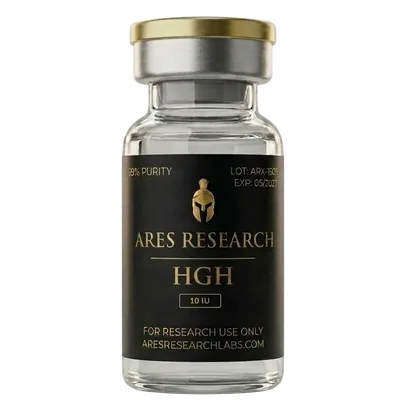
Research selection for growth hormone signaling pathway research.
Research selection for metabolic and bioenergetic pathway research.
Research selection for telomerase, cellular energetics, and mitochondrial pathway studies.
Research selection for nootropic and synaptic research.
Extended nootropic stack across ampakine, HGF mimetic, dopaminergic and neuropeptide research models.
Research selection across GH secretagogue, SARM, PPAR-δ and ERR-agonist research models.
Topical research stack across AR antagonist, vasodilator and copper peptide research models.
In-depth research protocol references for commonly studied compound combinations. Mechanisms, published findings, and protocol considerations.
CJC-1295 (No DAC) + Ipamorelin
View stack guide →RecoveryBPC-157 + TB-500
View stack guide →Growth HormoneHGH + IGF-1 LR3
View stack guide →MetabolicGLP-3RT
View stack guide →WellnessNAD+ + MOTS-c
View stack guide →WellnessEpithalon + NAD+
View stack guide →NootropicsSemax + Selank
View stack guide →CosmeticGHK-Cu + BPC-157
View stack guide →WellnessThymosin Alpha-1 + BPC-157
View stack guide →Growth HormoneCJC-1295 (No DAC) + Ipamorelin + HGH
View stack guide →Reference primer on recombinant growth hormone — receptor signalling (JAK2/STAT5, MAPK, PI3K), pharmacokinetic characterisation, and the published literature base for somatropin in GH-axis research.
Exogenous HGH versus GHRH analogues and GHRPs — pulsatility, IGF-1 profiles, receptor sensitivity, and feedback intactness as described across the comparative research literature.
IU-to-mg conversion conventions, how physiological and supraphysiological ranges are defined in study models, and how dose-response data is reported in the published GH literature.
Review of documented mechanisms — lipolysis, IGF-1–mediated protein synthesis, and recovery markers — as examined across the published GH body-composition literature.
From the landmark 1990 Rudman study through current somatopause data, this review examines what the longevity research literature reports about GH-axis decline.