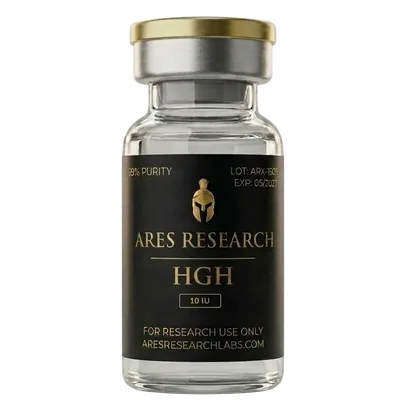
Peptide Research Beginner's Guide 2026
Research peptides attract significant interest from people who encounter them through the GLP-1 wave, longevity content, or fitness communities — but the entry point is often confusing. This guide covers the fundamentals every new researcher needs before making any sourcing decision.
Research peptides are short amino acid chains synthesized for laboratory research purposes — distinct from pharmaceuticals in their regulatory status and from dietary supplements in their biological mechanism specificity. Understanding what they are, what they're not, and how to approach sourcing and research responsibly is the foundation for anyone entering this category.
What Research Peptides Are
Peptides are chains of amino acids — the building blocks of proteins. Research peptides are synthetic versions of naturally occurring peptides (or designed analogs) produced for laboratory research use. Many are structurally identical or closely related to hormones, growth factors, and signaling molecules the body already produces — which is what gives them the biological activity that makes them interesting research subjects.
How to Choose Your First Research Compound
Start with the research question, not the compound. What biological mechanism or research category are you studying? The Ares Research research hub organizes compounds by research category — GH-axis, metabolic, recovery, longevity, nootropic, and wellness — making it straightforward to find which compounds address specific research questions. For new researchers, single-compound studies are more interpretable than stacks.
What to Verify Before Purchasing
Batch-specific COAs with HPLC purity and mass spectrometry identity confirmation — see our COA reading guide for exactly what to look for. Domestic synthesis, registered business entity, and a research content library demonstrating compound expertise. Our supplier selection guide covers the full framework.
How to Track Your Research
Before the first administration, set up a protocol in Ares One — logging reconstitution details, setting reminders for your schedule, and tracking inventory so you know when to reorder. Proper reconstitution following our reconstitution guide and correct storage per our storage guide protects compound integrity before research begins.
Start Here How to Read a Peptide COA Peptide Reconstitution Complete Guide Peptide Storage Complete Guide How to Choose a Research Peptide Supplier Ares One — Research Tracking App
Research Use Only. DisclaimerFor laboratory and research use only. Not for human consumption. This content is educational and does not constitute medical advice.
Related Research Articles
Research Peptides FAQ 2026 — The 20 Most Asked Questions,
The most common questions new and experienced researchers ask before and after sourcing — covering verification, storage, reconstitution, catalog selection, and what to do when documentation raises questions.
Hair Loss Research Peptides 2026
Androgenetic alopecia research spans androgen receptor antagonism, follicle gene expression modulation, and broader growth factor signaling — three distinct mechanistic approaches represented across the research catalog that address different aspects of hair follicle biology.
Research Peptide Vial Sizes Explained 2026
Vial sizing decisions affect reconstitution math, storage duration requirements, and cost efficiency simultaneously. Understanding common vial sizes and how to match them to your specific research protocol prevents both waste and mid-protocol stockouts.
Peptide Bioavailability Research Guide 2026
The subcutaneous injection standard for research peptides isn't arbitrary — it reflects the bioavailability physics of peptide compounds that oral and most other routes simply cannot overcome without molecular engineering. Here's the science and the exceptions.
Peptide Research Considerations for Women 2026
Most research peptide literature is conducted in male-dominant study populations, which creates meaningful gaps in female-specific data. Here's what the available research shows about hormonal context effects on GLP-class, GH-axis, and recovery peptide findings.
Neutral, moderated research discussion. Laboratory use only.
More compound guides, hubs, and educational research materials.